Quadrupled # of IT Projects Completed Within One Year

Quadrupled # of IT Projects Completed Within One Year

An early-stage biotech client was struggling to understand, organize, and deliver critical IT initiatives. As a result, IT was reactive to the needs of its stakeholders, who were extremely dissatisfied.

Understanding the value of project management processes and project governance, our client asked us to help assess and organize the work and devise simple yet impactful changes to ensure the work got done.

What We Did

1. Assessed The Work

We scheduled interviews with IT leaders to understand what they were working on, including responding to and resolving tickets, modifying existing systems, and implementing new systems, and we captured all salient details. During the course of these interviews, we started to obtain a sense that IT was working on a mix of steady-state and temporary initiatives.

2. Organized The Work

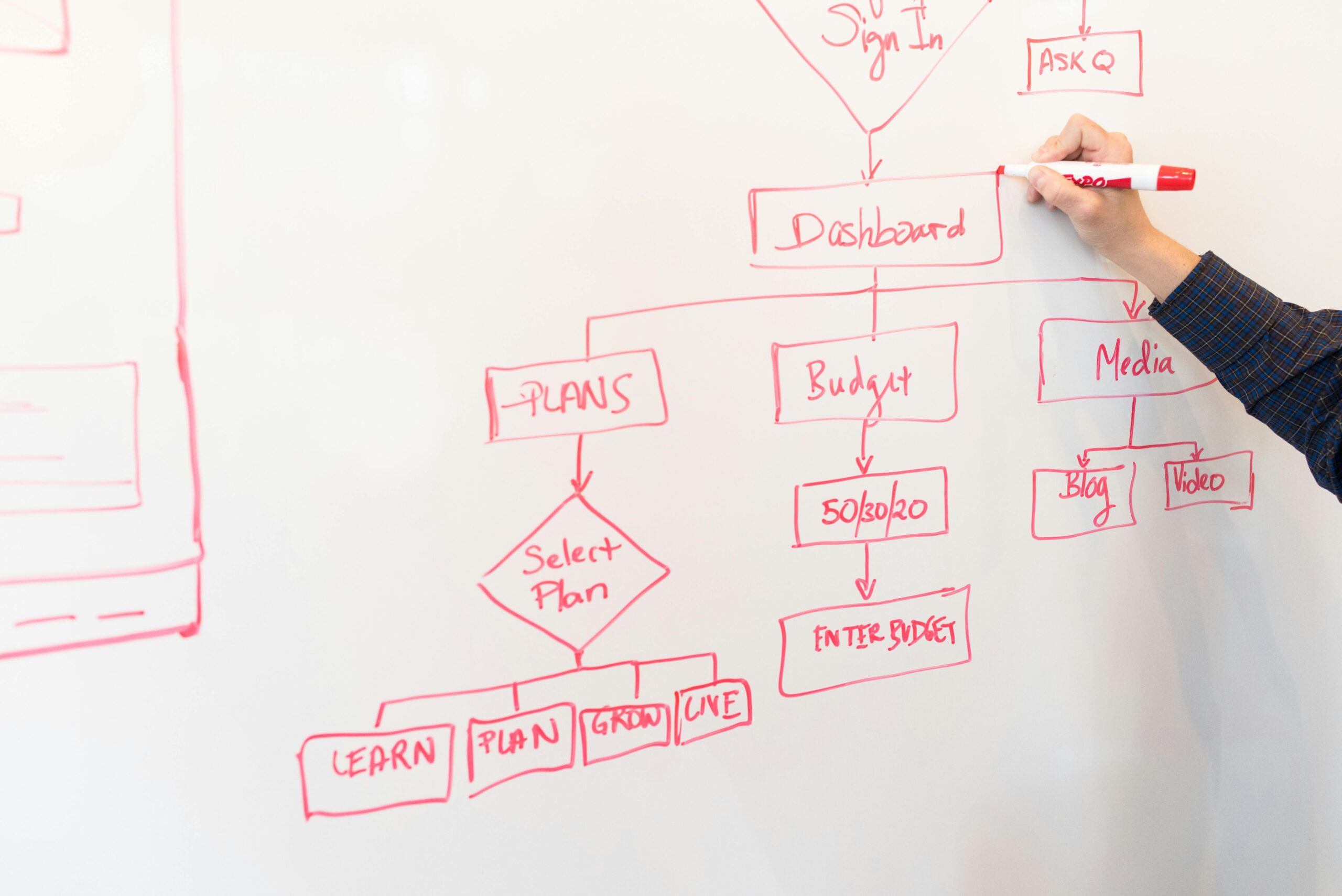
Then, we sought to organize the work—to do so, we introduced the idea of a project (an initiative with a defined start and end date intended to achieve a specific set of goals) and we placed those projects onto a Gantt chart. We then shared that Gantt with each IT lead to help them track the most critical and visible items their teams were working on.

3. Rolled Out Basic Project Management Framework

To ensure the work got done, we devised and rolled out a basic project management framework, including a stage gate, to evaluate and prioritize new initiatives. In doing so, we set basic expectations of what constitutes a project, how projects should be managed, and how project updates should be communicated. In addition, we created and introduced several basic tools and templates that project managers used to capture project scope and objectives, kick off projects, and dashboards.


Client Results

Leveraging tailored PrO PMO processes and tools, our client increased their project delivery rate from 18% to 79% in just one year. This transformation provided leadership and stakeholders with better visibility into IT priorities and ensured critical initiatives were completed as promised.
IT Projects Completed in 1st Year
79%
IT Projects Completed in 2nd Year
92%
IT Projects Completed in 3rd Year
94%
IT Projects Completed in 3rd Year
98%

Implemented Right-Sized IT PMO to Fuel Early-Stage Biotech

Implemented Right-Sized IT PMO to Fuel Early-Stage Biotech

Our client had recently been hired into his role as VP of IT at a very early stage, pre-commercial biotech company. In fact, this organization was so early stage that our client was tasked with building the IT organization from the ground up. Based on his previous experience, he knew that he would need to establish the basic processes needed to ensure his team understood the business’ needs and met those needs in a timely manner.  

To help him achieve this goal, we established foundational concepts and processes to help build the IT team, help the IT team identify its highest-priority initiatives, and report on the progress of those initiatives to senior leadership. In doing so, we helped our client build and organize his own department, prove the effectiveness of his team, and ultimately meet the organizational expectations set upon him.

1. Clarified Basic Project Management Processes & Expectations

Given that this organization was still a startup, we needed to establish core, foundational processes to help the IT team identify and complete important IT initiatives. To start, we defined the concept of a project, rolled out basic project management training materials, and instituted basic tools to enable project managers to communicate project progress, as well as key risks and issues.

2. Extended Hands-on Support to Project Managers & Project Teams

To reinforce the processes and expectations established, we followed up with project managers on a weekly basis, as needed, to ask questions about their project management artifacts to ensure adherence and adoption. In doing so, we were able to coach and advise project managers, helping them to improve their skillset and ensuring that project progress was being reported accurately and consistently across the board.

3. Developed Executive-Level Portfolio Summaries

We developed a portfolio Gantt and sent it to senior leadership monthly to show progress against planned projects. 

Additionally, we developed a more detailed deep dive deck for the most critical organizational projects to ensure senior leadership had ample information about the deliverables, progress, and risks and issues encountered for each of these projects. 

Through these efforts, we helped to proactively demonstrate the productivity of the IT team and, ultimately, showcased our client’s ability to establish and manage a highly effective IT team.

Client Results

As a result, our client showcased their IT team’s effectiveness and secured leadership’s confidence by completing 82% of projects and adhering to their budget for the year
IT Projects Completed in 1st Year
82%

Resolved Budget Overrun by Implementing Cost Management Processes and Tools

Resolved Budget Overrun by Implementing Cost Management Processes and Tools

One of our commercial pharma clients did not have practices in place to monitor and manage their budget throughout the year. After overspending their approved budget by 7% one year, the VP of IT recognized the need for a structured cost management system for the organization, so he sought our expertise to develop and roll out a cost management processes and tools to get his IT budget back on track.

What We Did

1. Assessed Existing Budget Practices 

We reviewed IT’s existing annual budget and spend processes and identified gaps in regular monitoring, controlling, correcting, and reforecasting. We also conducted sessions with each IT leader to understand their budgeting challenges and requirements and found that IT team members were self-managing their budgets without a unified process to coordinate with Finance tor tracking actuals and communicating changes throughout the year.
 

2. Developed Cost Management Processes and Tools

We improved their annual budgeting process and developed a number of additional tools to help them monitor and reforecast throughout the year, such as: 

  • A budget change request mechanism 
  • A quarterly budget reforecast tool and cadence to provide more accurate projections throughout the year and allow the team to pivot or change plans if necessary 
  • Budget creation spreadsheet 
  • Comprehensive deck consolidating all budget data that included project charters with each project tied to specific budget line items 
  • PO tracking spreadsheet to monitor actual spending against the budget

3. Rolled Out the Cost Management Process and Trained the Team

Lastly, we rolled out the new cost management process and trained team members on how to leverage the budgeting tools. To ensure budget adherence, we established operational governance and even conducted regular meetings with Finance. These mechanisms allowed IT to course correct in real time and ultimately stay within their overall annual budget.

Client Results

By implementing comprehensive cost management processes and tools and engaging all key stakeholders throughout the implementation to ensure their buy-in, we eliminated our client’s cost-overrun and helped them come in 4% under budget the following year.

From 7% Over Budget

To 4% Under Budget

Transitioned 1,500 Users to QMS

Transitioned 1,500 Users to QMS

Our global Nutritional Science client needed to integrate their largest U.S. brand into their IT ecosystem, which required 1,500+ users to transition off their current Quality Management System (QMS) Oracle Product Management, onto Veeva QMS.

In doing so, the client sought to harmonize business processes such that all brands would follow future state workflows. With the expected kickoff date just three weeks away, the client needed us to hit the ground running immediately.

What We Did

  • Developed process harmonization approach and workshop calendar, and socialized with project team
  • Developed Harmonized Process
  • Developed baseline business processes for Deviations, CAPAs, Change Control, and Product Complaints to facilitate workshops
  • Set objectives and expected outcomes with stakeholders through a workshop kick off before the workshops started

Client Results


0
Processes Changes
Brand agreed to adopt harmonized processes completely as-is
0
New Requirements
Very few, new business requirements were identified by brand team
0
Validation Scripts Required
Due to adoption of processes, requirements, and the system as-is

Rescued Global HR Data Integration Program for a Global Pharmaceutical Client

Rescued Global HR Data Integration Program for a Global Pharmaceutical Client

A global pharmaceutical client with decentralized HR operations needed to integrate data from 60+ countries and 80+ local HR systems to their centralized Workday® platform in 12 months. They had contracted two well-known consulting companies to support sourcing employee data and loading the data to Workday ® through a Teradata data warehouse as well as build ongoing interfaces from 25+ other source systems to an Informatica MDM hub.

Nearly half-way through the planned implementation, requirements had not been finalized for any of the 80+ local HR systems, inaccurate status was reported to senior management, and the chosen strategy would not meet the client’s overall objectives.

What We Did

We revamped the entire strategy to leverage a global, regional, and in-country team structure to maximize team member contributions, time zones, communication preferences, and local languages to mobilize “boots on the ground

Developed Data Sourcing Toolkit

We developed and iteratively improved a Global Data Sourcing Toolkit to ensure that stakeholders around the world had clear and consistent understanding of background, purpose, approach, timelines, expectations, templates, definitions, business rules, and other requirements.

Streamlined Project Management

We simplified project management practices so the team could focus on working rather than constantly reporting status​. Examples include dividing schedule governance, so the global team focused on overall timelines while in-country teams focused on their own detailed timelines and activities; improving communication flow to eliminate the need for team members to provide the same information to many people; and streamlining dashboards to focus on the most salient points.

Client Results

Leveraging tailored PrO PMO processes and tools, our client increased their project delivery rate from 18% to 79% in just one year. This transformation provided leadership and stakeholders with better visibility into IT priorities and ensured critical initiatives were completed as promised.

0
Countries
Successfully integrated into single, global Workday platform
0
Local HR Systems
Integrated to share core HR data with global stakeholders
0
Worker Records
Successfully integrated
0 %
Accuracy
Data quality metric achieved through initiative, which was nearly 10% higher than client’s objective